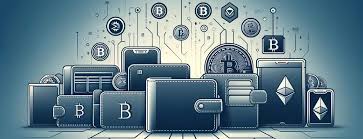

Crypto Wallets 101: Where to Keep Your Funds After Buying on OKX
Buying cryptocurrency on a platform like OKX is just the first step in your crypto journey. Once you have your assets, the next crucial question is: where should you keep them? The security, accessibility, and long-term safety of your funds depend entirely on your choice of crypto wallet. This guide explores the options, risks, and best practices for storing your digital assets.
1. Understanding Crypto Wallets
A crypto wallet is a tool that allows you to store, send, and receive cryptocurrencies. Unlike traditional bank accounts, crypto wallets don’t hold coins in a physical sense—they store your private keys, which are the only way to access your funds on the blockchain. Without the private key, you can’t move or use your crypto.
There are two main types of wallets:
- Hot Wallets: Connected to the internet, easy to access, suitable for frequent trading.
- Cold Wallets: Offline storage, highly secure, ideal for long-term holding.
2. Hot Wallets: Convenient but Riskier
Hot wallets are online and often integrated with exchanges like OKX. They include:
a. Exchange Wallets
- What it is: The wallet that comes with your OKX account.
- Pros: Instant access for trading, easy deposits/withdrawals.
- Cons: Vulnerable to hacks, exchange downtime, or regulatory freezes.
- Best practice: Only keep what you need for short-term trading. Move the rest to a more secure wallet.
b. Software Wallets (Mobile/Desktop)
- Examples: Trust Wallet, MetaMask, OKX Wallet app.
- Pros: More control than exchange wallets, user-friendly, can connect to DeFi apps.
- Cons: Still internet-connected, so malware and phishing attacks are risks.
- Tip: Always download wallets from official sources and enable security features like 2FA.
3. Cold Wallets: Security First
Cold wallets store your private keys offline, making them immune to online hacks.
a. Hardware Wallets
- Examples: Ledger, Trezor.
- Pros: Extremely secure, supports multiple cryptocurrencies, ideal for long-term storage.
- Cons: Cost (typically $50–$250), requires careful backup and safekeeping.
- Best practice: Buy directly from the manufacturer to avoid tampered devices.
b. Paper Wallets
- What it is: Your private key and public address printed on paper.
- Pros: Completely offline, cheap, and simple.
- Cons: Easily lost, damaged, or stolen if not properly protected.
- Best practice: Store in a waterproof, fireproof safe or multiple secure locations.
4. Key Security Practices
Regardless of the wallet type, following security best practices is non-negotiable:
- Backup Your Wallet: Secure your seed phrase/private key in multiple safe locations.
- Enable Two-Factor Authentication (2FA): Adds an extra layer of protection.
- Beware of Phishing Scams: Never share private keys or seed phrases.
- Regularly Update Software Wallets: Prevent vulnerabilities from outdated apps.
- Consider Multi-Signature Wallets: For added security in high-value holdings.
5. Choosing the Right Wallet for You
Your choice depends on your trading style and security preference:
| Wallet Type | Best For | Pros | Cons |
|---|---|---|---|
| Exchange Wallet | Active traders | Convenient, quick access | Less secure, exchange-dependent |
| Software Wallet | Traders + occasional holders | More control, mobile access | Online risks, malware/phishing |
| Hardware Wallet | Long-term holders | Highly secure, offline storage | Cost, needs careful backup |
| Paper Wallet | Offline enthusiasts | Free, offline | Easily lost/damaged, manual transactions |
6. Moving Crypto From OKX to Your Wallet
After buying crypto on OKX, here’s how to transfer funds:
- Create your wallet (software or hardware).
- Locate your wallet address (public key).
- Go to OKX withdrawal page.
- Enter your wallet address and amount.
- Double-check the address before confirming. Crypto transactions are irreversible.
- Enable 2FA verification and confirm the transfer.
Tip: Always start with a small test transfer to ensure everything is correct.
7. Final Thoughts
Buying crypto is exciting, but keeping it safe is the real skill. While OKX wallets are convenient for trading, a combination of hot and cold wallets is the safest strategy:
- Keep what you actively trade in a hot wallet.
- Move the bulk of your holdings to a hardware or paper wallet.
By understanding your wallet options and practicing good security hygiene, you can confidently manage your crypto portfolio and protect your funds from threats.