
Understanding Margin in Crypto Trading
Before diving into the specifics, let's recap what margin is in the context of crypto derivatives trading (like futures and perpetual swaps):
• Margin: It's the amount of collateral you need to open and maintain a leveraged position. Leverage allows you to control a larger position size with a smaller amount of capital.
• Initial Margin: The amount of margin you need to open a position.
• Maintenance Margin: The minimum amount of margin you must maintain to keep your position open. If your margin balance falls below this level, you'll be liquidated (your position will be automatically closed by the exchange).
Isolated Margin
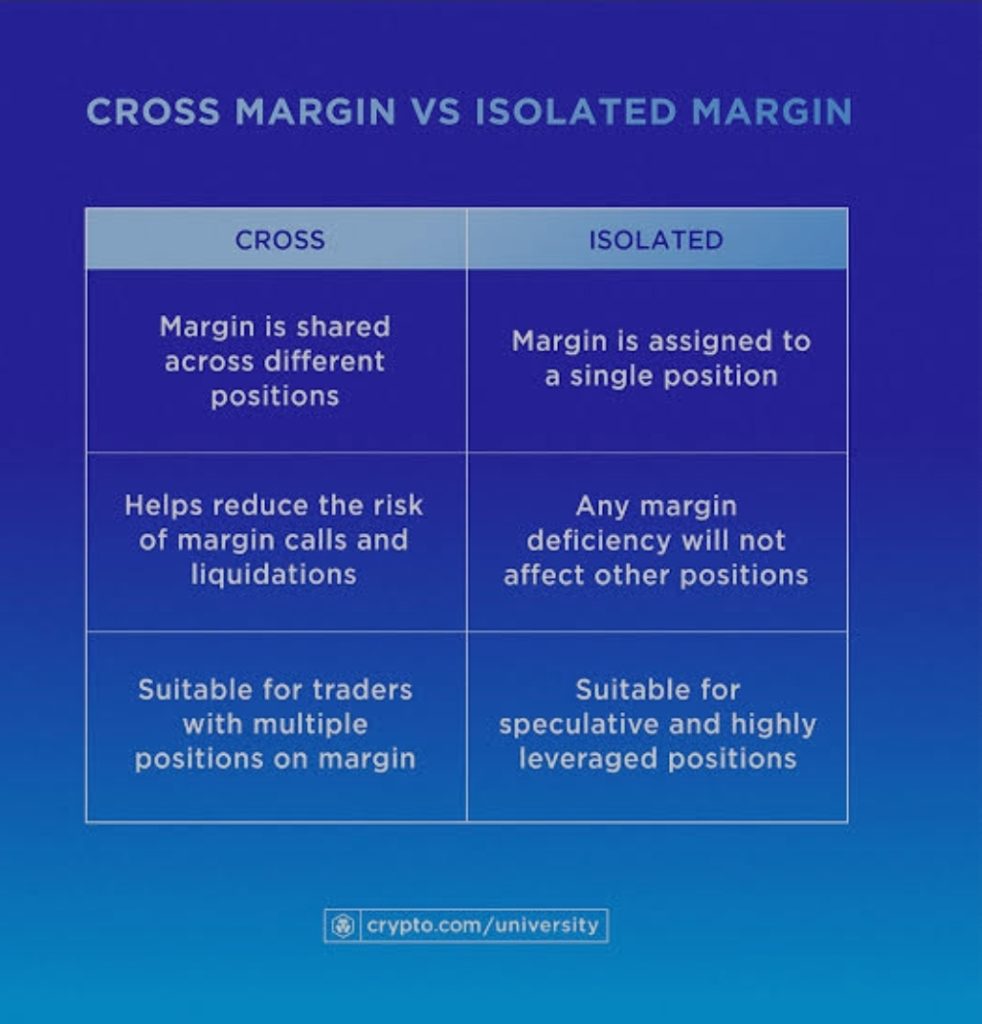
• How it works: You allocate a specific amount of margin to a single trading position. This margin is "isolated" from the rest of your account balance.
• Risk: The risk is limited to the isolated margin you've allocated to that particular position. If the market moves against you, and your position reaches the liquidation price, only the isolated margin you allocated will be lost. Your other positions and the rest of your account balance remain unaffected.
• Example: Let's say you have 1 BTC in your Bybit account. You allocate 0.1 BTC as isolated margin to a long position on ETH/USD. If the ETH/USD price drops significantly, and your position gets liquidated, you'll lose the 0.1 BTC allocated to that trade. Your remaining 0.9 BTC will not be affected.
• Pros:
• Limited Risk: You know exactly how much you can lose on a single trade.
• Easier Risk Management: Makes it easier to manage the risk of individual positions.
• Experimentation: Good for trying out new strategies or trading highly volatile assets, as the downside is capped.
• Cons:
• Faster Liquidation: Since the margin is isolated, your position is more vulnerable to liquidation if the market moves against you.
• Requires More Monitoring: You need to monitor your positions more closely to avoid liquidation.
Cross Margin
• How it works: All available funds in your Bybit account (or a specific margin account, if Bybit separates them) are used as margin for all your open positions. The margin is "shared" across all positions.
• Risk: The risk is spread across your entire account. If the market moves against one of your positions, the system will use available funds from your other positions (or your entire account balance) to avoid liquidation. However, this means that if one position goes bad enough, it can potentially liquidate all your positions.
• Example: You have 1 BTC in your Bybit account. You open a long position on ETH/USD and a short position on BTC/USD using cross margin. If the ETH/USD price drops significantly, the system will automatically use funds from your BTC/USD short position (or your remaining account balance) to keep the ETH/USD position open. If the combined losses exceed your entire account balance, all positions will be liquidated.
• Pros:
• Lower Liquidation Risk (Initially): Positions are less likely to be liquidated in the short term, as the system uses all available funds to prevent it.
• Less Monitoring (Potentially): May require less frequent monitoring, as the system automatically adjusts the margin.
• Cons:
• Higher Overall Risk: The potential for catastrophic losses is much greater. A single bad trade can wipe out your entire account.
• False Sense of Security: Can lull traders into a false sense of security, leading them to take on more risk than they realize.
• Difficult Risk Management: Makes it harder to manage risk for individual positions, as they are all interconnected.
Choosing the Right Margin Mode
Here's a guide to help you decide which margin mode is best for you:
• Choose Isolated Margin If:
• You're a beginner.
• You want to limit the risk on a specific trade.
• You're experimenting with new strategies or assets.
• You're trading highly volatile assets.
• You have a clear stop-loss strategy in mind.
• You're comfortable monitoring your positions closely.
• Choose Cross Margin If (Use with Extreme Caution):
• You're an experienced trader with a deep understanding of risk management.
• You have a well-diversified portfolio and are comfortable with the risk of one bad trade affecting your entire account.
• You're using strategies that require adjustments to margin levels based on overall account performance.
• You understand that although liquidation is less likely initially, the consequences are much more severe.
Best Practices and Risk Management
Regardless of which margin mode you choose, always follow these best practices:
• Use Stop-Loss Orders: Essential for limiting your downside risk, especially with isolated margin.
• Start Small: Begin with small positions and gradually increase your size as you gain experience and confidence.
• Understand Leverage: Use leverage cautiously. Higher leverage magnifies both gains and losses.
• Monitor Your Positions: Regularly check your positions and be prepared to adjust them if necessary.
• Don't Trade with Money You Can't Afford to Lose: Cryptocurrency trading is inherently risky.
In Conclusion
The choice between isolated and cross margin depends on your trading style, risk tolerance, and experience level. Isolated margin is generally the safer and more appropriate choice for most traders, especially beginners. Cross margin should only be used by experienced traders who fully understand the risks involved and have a solid risk management plan. Understanding the implications of each margin mode is key to protecting your capital and trading responsibly.